
Hair
Hair
Restoration
A range of approaches for addressing hair loss and thinning — chosen to suit your pattern and goals.
Hair restoration covers regenerative care through to transplant techniques. The right approach depends on the cause, extent and stage of your loss — understood fully through a proper assessment.
Educational content only. Suitability and decisions require a qualified clinician.

FUE / DHI
Leading techniques
6–12 mo
Typical growth timeline
Minimally invasive
Modern extraction methods
Personalised
Plan based on your pattern
Who usually considers it
- People noticing thinning or a receding hairline.
- Those who want to understand options before deciding.
What the assessment involves
- An assessment of your hair-loss pattern and expectations.
- A discussion of suitable techniques for your case.
What can affect results
- The pattern and stage of hair loss.
- Donor hair availability.
- General health and aftercare compliance.
Process
What to expect, step by step.
Consultation
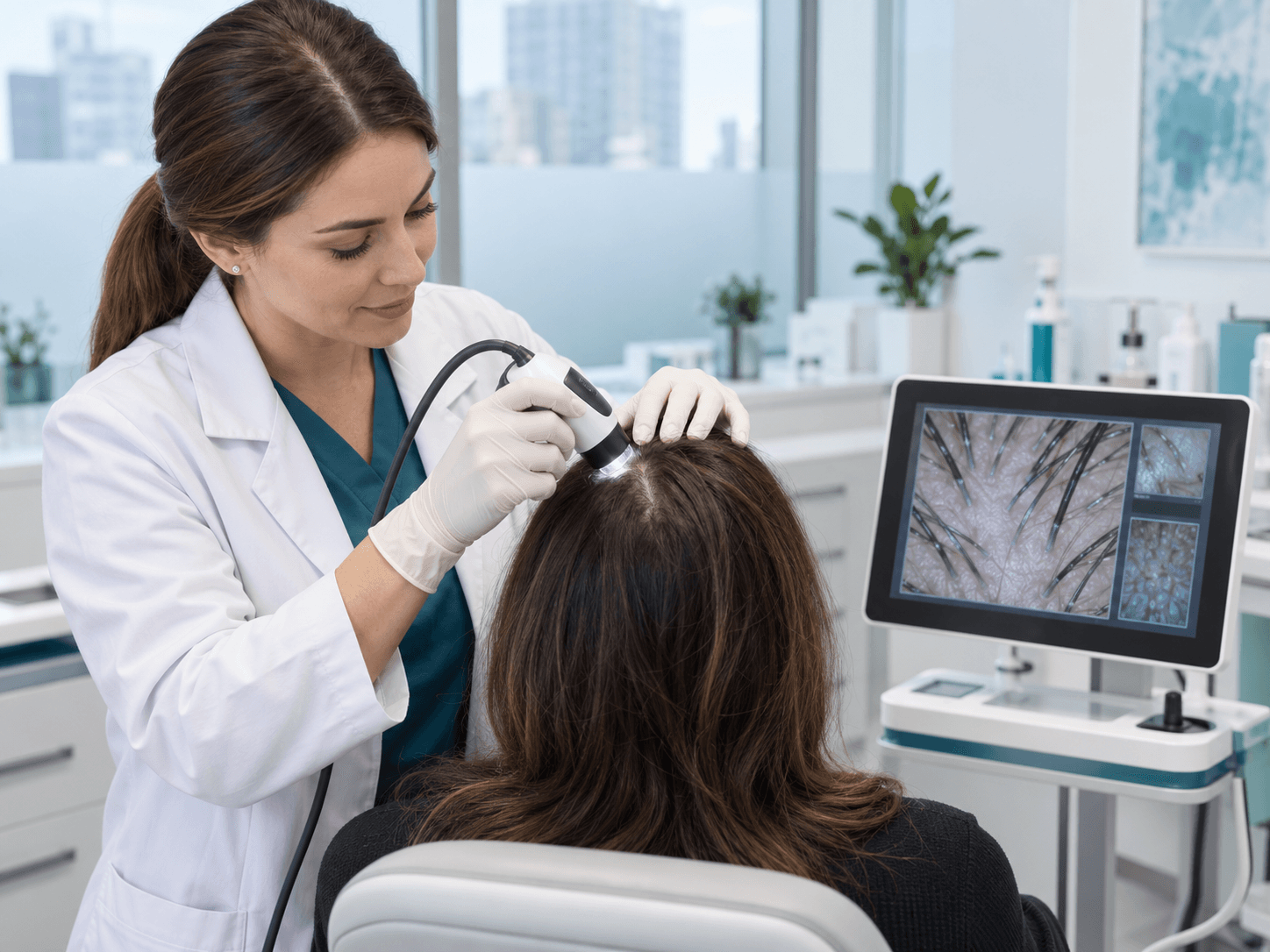
A full assessment of your hair-loss pattern, donor density and expectations.
Plan
A recommended approach chosen to suit your specific case and goals.
Treatment
The chosen technique carried out by a qualified clinician.
Growth
Gradual visible improvement over the following months, with follow-up support.

Before you decide
Questions to ask a clinician.
A good consultation gives you answers, not just a quote. These questions help you assess whether a clinician's plan is right for your case.
- 01
Which approach suits my pattern of loss?
- 02
What results are realistic for me?
- 03
How many sessions are typically required?
- 04
What does recovery look like for this technique?
Indicative Cost Factors
What usually shapes the price.
A meaningful quote depends on the individual plan. These are the common variables worth understanding before your consultation.
Technique
Different methods carry different time, skill and equipment requirements.
Extent
The size of the treatment area and number of grafts required.
Complexity
Donor density and any previous procedures affect planning and time.
FAQ
Questions people often ask.
- Is hair loss reversible?
- Some causes respond to non-surgical care; others are better addressed with restoration. An assessment clarifies which applies to your case.
- What is the difference between FUE and DHI?
- FUE extracts follicular units and places them via incisions; DHI uses an implanter tool for direct placement. Both can achieve natural results — the right choice depends on your goals and anatomy.
- When will I see visible results?
- Transplanted hair typically sheds after the initial weeks. Visible growth usually develops over the following months, with full results taking up to a year.
- Is the procedure painful?
- Local anaesthetic is used throughout. Most people are comfortable during the session, with mild sensitivity in the days after.
Private next step
Considering hair restoration?
Tell us what you are exploring. The first step is an information and intake conversation — not a diagnosis or treatment commitment.